Phones, laptops, notifications, reels, endless scrolling — most people stay connected almost every waking hour now. Many do not even realize how often they check screens until they try stopping for a few minutes.
A digital detox does not mean hating technology or disappearing from the world. It simply means giving your brain a short break from constant stimulation. Even a 48-hour reset can improve focus, sleep, mood, and mental clarity.
The first few hours may feel strange. Many people instinctively reach for their phones without thinking. But after some time, the mind slowly becomes quieter and less restless.
Here is a practical 48-hour digital detox guide that actually feels realistic instead of extreme.
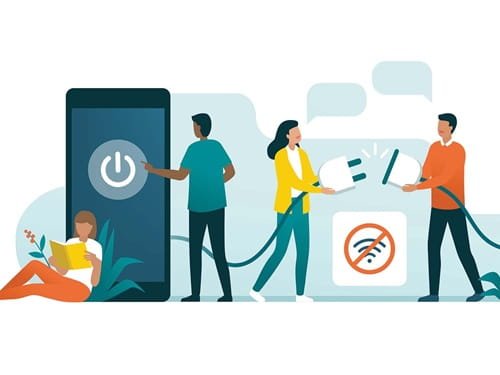
Before You Start: Prepare Properly
A detox becomes easier when you plan ahead.
Before starting:
- Inform close friends or family
- Finish urgent online work
- Download important offline maps or documents
- Keep emergency contacts available
- Set an auto-reply if needed
You do not need to lock your phone away forever. The goal is reducing unnecessary digital noise.
Also decide your detox rules clearly.
For example:
- No social media
- No endless YouTube scrolling
- No gaming
- No doomscrolling news
- Only emergency calls allowed
Clear boundaries help prevent “just 5 minutes” turning into two hours.
Day 1: Slowing Down the Brain
Morning: Start Without Your Phone
Most people begin their day by checking notifications before even leaving bed. That instantly fills the brain with information, stress, and comparison.
Instead:
- Wake up naturally
- Drink water
- Go outside briefly
- Stretch or walk
- Eat breakfast without screens
The first morning often feels uncomfortable because the brain expects stimulation.
That discomfort is normal.
Mid-Morning: Expect Restlessness
Many people feel:
- Bored
- Irritated
- Anxious
- Empty
during the first phase of a detox.
This happens because the brain is used to constant dopamine spikes from notifications, videos, and scrolling.
Instead of fighting boredom immediately, sit with it for a while. After some time, the mind usually begins calming down naturally.
Good offline activities include:
- Reading
- Cleaning
- Cooking
- Gardening
- Drawing
- Writing
- Playing music
Simple activities start feeling surprisingly enjoyable again.
Afternoon: Reconnect With Real Life
Digital overload quietly reduces attention to surroundings.
During detox:
- Eat slowly
- Notice sounds around you
- Talk without checking your phone
- Take a walk without headphones
Many people realize how distracted they normally are only after disconnecting.
This is also a good time to meet family or friends in person instead of through screens.
Evening: Avoid Replacing One Screen With Another
Some people stop social media but spend six hours watching television instead. That usually defeats the purpose.
The goal is reducing mental overstimulation overall.
Better evening activities:
- Board games
- Journaling
- Long conversations
- Light exercise
- Watching the sunset
- Meditation
- Cooking dinner slowly
The evening may feel longer than usual because screens normally consume so much time.
Night: Sleep Without Digital Noise
One of the biggest benefits of digital detox is better sleep.
Before bed:
- Keep the phone away from the bed
- Avoid late-night scrolling
- Dim lights naturally
- Read a physical book
Many people sleep faster and wake up fresher even after just one screen-free night.
Day 2: The Mind Starts Resetting
The second day usually feels easier.
The constant urge to check notifications often reduces noticeably.
People commonly experience:
- Better focus
- Less mental clutter
- Improved mood
- More patience
- Better concentration
Small things start feeling more noticeable again.
Morning: Use the Extra Time Well
Without endless scrolling, mornings suddenly become longer.
You can use this time for:
- Exercise
- Meal preparation
- Learning a hobby
- Planning goals
- Spending time outdoors
Many people discover they actually have more free time than they thought.
Afternoon: Notice Your Attention Span
Digital overload often damages concentration without people realizing it.
During detox, many notice they can:
- Read longer
- Focus better
- Think more clearly
- Finish tasks faster
This mental clarity is one reason many people continue limiting screen time even after detox ends.
Evening: Reflect Honestly
Ask yourself:
- Which apps consume most time?
- Which digital habits feel unhealthy?
- What actually improved during detox?
- Which habits do you want to change permanently?
The goal is not perfection. It is awareness.
Most people do not need to quit technology completely. They simply need healthier boundaries.
What Happens After 48 Hours?
A short detox will not magically fix every problem, but many people notice:
- Better sleep
- Reduced stress
- Less comparison
- Better focus
- More real-world awareness
- Reduced screen addiction patterns
Even food tastes more enjoyable when meals are eaten without scrolling.
Tips to Maintain Healthier Digital Habits
After the detox:
- Turn off unnecessary notifications
- Keep phones away during meals
- Avoid scrolling before bed
- Set social media time limits
- Create screen-free hours daily
Small consistent changes usually work better than extreme restrictions.
Final Thoughts
Technology itself is not the enemy. Phones, laptops, and the internet are useful tools. The problem begins when constant digital stimulation controls attention every hour of the day.
A 48-hour detox gives the brain space to slow down again. It reminds people what quiet feels like.
Sometimes the biggest benefit is realizing how much of life was happening around you while your eyes stayed fixed on a screen.