Sustainable Fashion is no longer a niche idea among young Indians. Across cities and even smaller towns, more Gen Z shoppers are moving toward thrifting instead of buying only brand-new clothes. What once carried a stigma is now becoming trendy, practical, and even fashionable.
Instagram thrift stores, college flea markets, vintage pages, and resale apps are growing rapidly. For many young people, thrifting is not just about saving money anymore. It has become part of personal style and identity.
The shift says a lot about how India’s younger generation now views fashion, money, and consumer culture.
Fashion Has Become Too Expensive
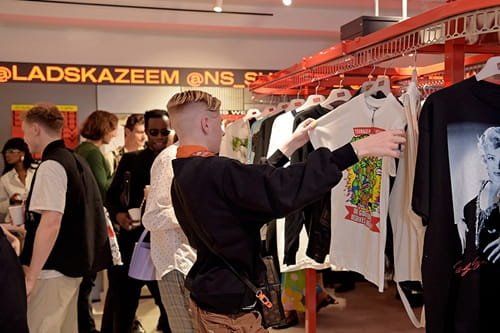
Fast fashion trends change extremely quickly now. New styles appear almost every week online. Many Gen Z shoppers feel pressure to keep up with trends while managing limited budgets.
Branded clothing prices have also increased sharply in recent years.
For students and young professionals:
- ₹2,000–₹4,000 for one outfit feels excessive
- Trend cycles move too fast
- Repeating clothes online feels socially pressured
Thrifting offers a cheaper alternative without completely sacrificing style.
Many people can buy:
- Oversized shirts
- Vintage jackets
- Cargo pants
- Y2K fashion
- Streetwear pieces
for a fraction of mall prices.
Gen Z Loves Unique Fashion
One major reason thrifting became popular is individuality.
Fast fashion stores often sell the same designs to millions of people. Thrift shopping feels different because pieces are usually limited and unique.
Young shoppers enjoy finding:
- Rare denim
- Retro clothing
- Old graphic tees
- Vintage accessories
- One-of-a-kind outfits
This creates a more personal style compared to buying mass-produced fashion.
Many thrift buyers say they enjoy the “treasure hunt” feeling.
Social Media Changed Everything
Instagram played a huge role in normalizing thrifting in India.
Thousands of thrift pages now sell curated clothing through:
- Instagram stories
- Live sales
- Reels
- Fashion drops
Influencers and fashion creators also started proudly sharing thrift hauls online.
Earlier, second-hand clothes were often associated with financial struggle. Now they are increasingly associated with:
- Vintage aesthetics
- Sustainability
- Smart shopping
- Creative styling
That cultural shift changed public perception dramatically.
Sustainability Matters More to Young Buyers
Gen Z is more aware of environmental issues than many previous generations.
Fast fashion creates:
- Massive textile waste
- Water pollution
- Cheap disposable clothing culture
Many young shoppers now feel uncomfortable buying excessive new clothes every month.
Thrifting supports reuse instead of constant production. Even people who are not hardcore environmentalists often like the idea of reducing waste slightly.
For some, buying second-hand clothing feels more responsible than endlessly consuming fast fashion.
Thrifting Feels More Authentic
Many Gen Z consumers are tired of heavily branded and overly polished fashion culture.
Thrift fashion feels:
- More relaxed
- Less corporate
- More expressive
- Less status-focused
There is also less pressure to buy luxury labels constantly.
Young buyers increasingly care more about styling and creativity than simply wearing expensive brands.
A ₹300 thrifted jacket styled well can sometimes feel more interesting than an expensive fast-fashion outfit.
Economic Reality Also Plays a Role
India’s young generation faces:
- Rising living costs
- Expensive rents
- Competitive job markets
- Limited disposable income
Thrifting allows people to enjoy fashion without overspending.
For college students especially, thrift shopping makes trend experimentation affordable. Instead of spending heavily on one trendy piece that may go out of fashion quickly, they can buy cheaper second-hand versions.
This balance between fashion and budgeting strongly appeals to young buyers.
Online Thrift Culture is Growing Fast
Many Indian thrift sellers now operate like small fashion businesses.
Popular categories include:
- Korean fashion
- Vintage denim
- Oversized streetwear
- Anime tees
- Y2K outfits
- Branded surplus clothing
Some sellers even customize or upcycle old clothes into newer designs.
The rise of digital payments and courier delivery made thrifting far easier than before.
People from smaller cities can now access styles previously available mostly in metro cities.
But Thrifting Still Has Problems
Despite growing popularity, Indian thrifting still faces challenges.
Common issues include:
- Hygiene concerns
- Fake branded products
- Overpricing
- No return policies
- Inconsistent quality
Some thrift stores now charge prices close to brand-new clothing, which frustrates buyers.
There are also concerns about “thrift inflation,” where trendy resale culture pushes prices too high.
Is Thrifting Just a Trend?
Partly yes, but it also reflects a larger mindset shift.
Gen Z increasingly values:
- Smart spending
- Individuality
- Sustainability
- Creative fashion
Even if some hype reduces later, second-hand fashion will likely remain far more accepted than it was ten years ago.
The stigma around pre-owned clothing has already weakened significantly among younger Indians.
Final Thoughts
Indian Gen Z is not shifting to thrifting for just one reason. It is happening because of money, fashion culture, sustainability, social media, and changing attitudes toward consumption.
For many young people, thrifting feels smarter, more creative, and more personal than blindly following fast fashion trends.
In a world where trends change overnight, thrift fashion offers something many people now value more — individuality without spending a fortune.