In 2026, desk jobs have become more common than ever. Millions of employees spend long hours sitting in front of computers while working from offices or home setups. Although technology has made work easier, a sedentary lifestyle can create several health problems such as obesity, back pain, stress, eye strain, and poor posture.
Desk employees often struggle to maintain a healthy routine due to busy schedules, work pressure, and long screen time. However, adopting simple and effective health habits can significantly improve physical and mental well-being.
Here are 10 good health habits every desk employee should follow in 2026 for a healthier and more productive lifestyle.
1. Maintain Proper Sitting Posture
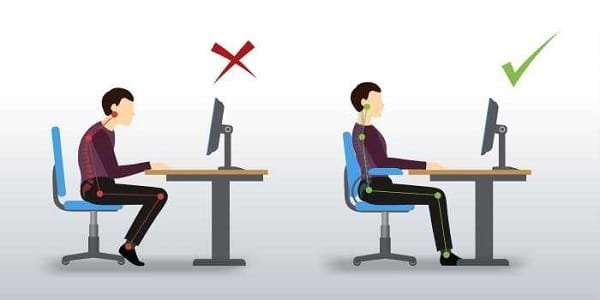
Poor posture is one of the biggest health issues among desk workers. Sitting incorrectly for long hours can lead to neck pain, shoulder stiffness, back problems, and muscle fatigue.
To maintain proper posture:
- Keep your back straight
- Place both feet flat on the floor
- Adjust your chair height properly
- Keep the computer screen at eye level
- Relax your shoulders while typing
Using ergonomic chairs and desks can also help reduce body strain during work hours.
2. Take Regular Breaks
Sitting continuously for long periods can negatively affect blood circulation and overall health. Desk employees should take short breaks every 30–60 minutes.
During breaks, employees can:
- Stand up and stretch
- Walk around the office or room
- Relax the eyes
- Drink water
Even a 5-minute movement break can help reduce stiffness and improve energy levels.
3. Stay Physically Active
Desk jobs often reduce physical activity, making exercise extremely important. Regular physical activity helps maintain weight, improve heart health, and reduce stress.
Good exercise options for desk employees include:
- Walking
- Yoga
- Cycling
- Strength training
- Jogging
Experts recommend at least 30 minutes of exercise daily to stay healthy and active.
4. Eat Healthy Meals and Snacks
Busy work schedules often lead employees to consume unhealthy fast food, sugary snacks, and caffeinated drinks. Poor eating habits can increase fatigue and reduce productivity.
Healthy eating habits include:
- Eating balanced meals
- Including fruits and vegetables in the diet
- Choosing nuts and healthy snacks
- Avoiding excessive junk food
- Reducing sugary beverages
Healthy food provides long-lasting energy and improves focus during work hours.
5. Stay Hydrated Throughout the Day
Many desk employees forget to drink enough water while working. Dehydration can cause headaches, tiredness, and reduced concentration.
Employees should aim to drink at least 7–8 glasses of water daily. Keeping a water bottle near the desk can help maintain hydration.
Benefits of staying hydrated include:
- Better concentration
- Improved digestion
- Reduced fatigue
- Healthier skin
6. Reduce Eye Strain
In 2026, most office work involves constant screen exposure. Long screen time can lead to digital eye strain, blurred vision, headaches, and dry eyes.
Employees can protect their eyes by following the 20-20-20 rule:
Every 20 minutes, look at something 20 feet away for 20 seconds.
Additional tips include:
- Adjust screen brightness
- Use anti-glare screens
- Blink frequently
- Maintain proper lighting
Regular eye checkups are also important for desk workers.
7. Manage Stress and Mental Health
Work pressure, deadlines, and multitasking can increase stress levels among desk employees. Chronic stress can affect both physical and mental health.
Healthy stress-management habits include:
- Meditation and deep breathing
- Listening to music
- Talking to supportive colleagues or family
- Taking short relaxation breaks
- Practicing mindfulness
Maintaining good mental health improves productivity and job satisfaction.
8. Get Enough Sleep
Lack of sleep can reduce focus, memory, and work performance. Many employees sacrifice sleep because of late-night work, social media, or entertainment.
Desk employees should aim for 7–9 hours of quality sleep every night.
Good sleep habits include:
- Maintaining a fixed sleep schedule
- Avoiding screens before bedtime
- Reducing caffeine intake at night
- Creating a comfortable sleeping environment
Proper sleep helps the body recover and improves overall health.
9. Avoid a Sedentary Lifestyle After Work
Many desk employees continue sitting even after office hours while watching TV or using smartphones. This can further increase health risks.
Instead, employees should:
- Go for evening walks
- Engage in hobbies
- Spend time outdoors
- Participate in sports or fitness activities
Staying active after work improves physical fitness and mental relaxation.
10. Maintain Work-Life Balance
A healthy work-life balance is essential for long-term well-being. Overworking can lead to burnout, stress, and poor health.
Desk employees should:
- Set clear work boundaries
- Take leave when necessary
- Spend time with family and friends
- Pursue personal interests
- Avoid checking work emails constantly after office hours
A balanced lifestyle improves happiness, motivation, and overall quality of life.
Why Health Habits Are Important for Desk Employees
Healthy habits help desk employees stay fit, productive, and mentally strong. Since desk jobs involve long sitting hours and high screen exposure, maintaining wellness is extremely important.
Benefits of good health habits include:
- Reduced back and neck pain
- Better concentration
- Increased productivity
- Improved mental health
- Better energy levels
- Lower risk of lifestyle diseases
Small changes in daily routine can create major health improvements over time.
Conclusion
In 2026, desk employees face many health challenges due to sedentary work culture and digital lifestyles. However, following simple healthy habits can greatly improve physical and mental well-being.
By maintaining proper posture, staying active, eating healthy food, managing stress, and getting enough sleep, employees can enjoy a healthier and more balanced life. Good health habits not only improve work performance but also support long-term wellness and happiness.
A healthy employee is often more productive, energetic, and motivated in both personal and professional life.
FAQs
Q. Why are health habits important for desk employees?
Health habits help desk employees reduce stress, improve posture, maintain fitness, and prevent lifestyle-related health problems.
Q. How often should desk employees take breaks?
Desk employees should ideally take short breaks every 30–60 minutes to stretch and move around.
Q. What is the best exercise for office workers?
Walking, yoga, stretching, cycling, and strength training are excellent exercises for desk employees.
Q. How can desk employees reduce eye strain?
Following the 20-20-20 rule, adjusting screen brightness, and taking regular screen breaks can reduce eye strain.
Q. How much water should office workers drink daily?
Desk employees should generally drink at least 7–8 glasses of water daily.
Q. Can sitting too long affect health?
Yes, prolonged sitting can increase the risk of obesity, back pain, poor circulation, and heart-related problems.
Q. Why is work-life balance important?
A healthy work-life balance helps reduce stress, prevent burnout, and improve overall happiness.
Q. How can desk employees improve posture?
Using ergonomic furniture, keeping the screen at eye level, and sitting with a straight back can improve posture.