A car can feel spacious in a showroom and still disappoint the first time a family loads two airport suitcases, a stroller and a weekend bag. Boot space decides whether luggage fits below the parcel shelf, whether a rear seat has to be sacrificed, and whether a road trip begins with careful packing or frustration.
The litre figure alone is not enough. A square 500-litre sedan boot with a wide opening can be more useful than a taller SUV cargo area with intrusive wheel arches. Loading height, spare-wheel placement, rear-seat folding and the shape of the opening all affect what you can actually carry.
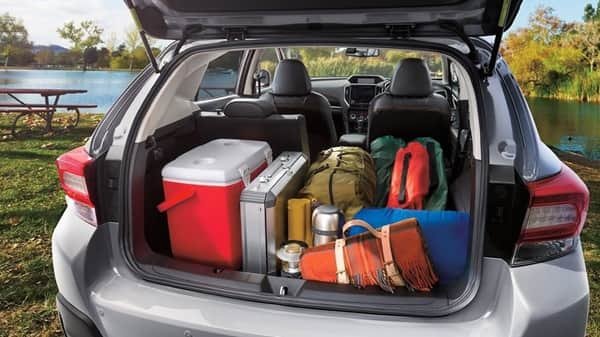
There is also a measurement issue. Tata quotes the Sierra at 622 litres to the roof but 450 litres to the parcel shelf, while traditional sedans usually quote the enclosed luggage area below the parcel shelf. The figures below therefore need to be read together with the packaging notes, not as a perfect laboratory ranking.
How We Evaluated These Cars for Indian Buyers
- Usable Boot Volume: We looked at the quoted litres and how the manufacturer measured them.
- Boot Shape & Loading Ease: Wide openings, low loading lips, flat floors and limited wheel-arch intrusion score higher.
- Rear-Seat Flexibility: Split-folding seats and expandable cargo space matter for bulky items.
- Safety & Variant Value: Current safety equipment and sensible mid-spec variants were considered alongside luggage space.
1. Tata Sierra Pure+ Petrol MT – The Biggest Family Cargo SUV
The new Sierra is one of the strongest luggage-focused SUVs in the mainstream market. Its long wheelbase, upright tail and five-seat layout create a large cargo area without the compromises of a third row.
Price and recommended variant
The Sierra starts at about ₹11.49 lakh ex-showroom. The Pure+ petrol manual is the value-focused family choice, adding useful comfort and infotainment equipment without top-trim pricing.
Boot Capacity & Packaging
Tata quotes 622 litres to the roof, expanding to 1,257 litres with the rear seats folded. The more comparable figure to the parcel shelf is about 450 litres. The opening is wide and the loading lip is low, though the wheel wells reduce some side width.
Practicality & Safety
The 2,730mm wheelbase gives generous rear space. Petrol, turbo-petrol and diesel engines are available. The Sierra has a 5-star Bharat NCAP rating, with six airbags and ESC standard across the rated range.
Pros
- Huge cargo capacity with the seats folded.
- Wide opening and low loading lip.
- 5-star Bharat NCAP safety.
Cons
- 622L headline figure is measured to the roof.
- Wheel arches reduce some usable width.
2. MG Windsor EV Exclusive 38 kWh – The Big-Boot Electric Family Car
The Windsor combines an unusually large boot with one of the roomiest rear seats in its price band. Its tall crossover shape and 2,700mm wheelbase make it especially useful for families carrying passengers and luggage together.
Price and recommended variant
The Exclusive 38kWh starts at about ₹15.53 lakh ex-showroom. It is the boot-focused pick because the larger-battery Pro versions lose some luggage capacity.
Boot Capacity & Packaging
The 38kWh Excite and Exclusive offer a quoted 604 litres. Essence and the 52.9kWh Pro versions are around 579 litres. The wide tailgate and upright rear body make the space easy to use.
Practicality & Safety
The rear bench reclines up to 135 degrees, and the flat floor helps passenger comfort. Six airbags, ESP, TPMS and four-wheel disc brakes are standard. The Windsor does not yet have an official Bharat NCAP rating.
Pros
- 604L boot on the 38kWh Excite/Exclusive.
- Excellent rear-seat space.
- Wide tailgate helps bulky luggage.
Cons
- Higher variants lose some boot volume.
- No official Bharat NCAP score yet.
3. Hyundai Verna HX4 Petrol MT – The Sedan Boot Champion
The Verna shows why sedans remain excellent luggage carriers. Its long rear overhang creates a deep, enclosed boot that can take multiple suitcases without blocking rear visibility.
Price and recommended variant
The 2026 Verna starts at about ₹10.99 lakh ex-showroom. The HX4 petrol manual gives buyers the full-size sedan cabin and boot without paying for high-end performance or cosmetic features.
Boot Capacity & Packaging
Hyundai quotes a 528-litre boot, the largest conventional boot in its midsize sedan segment. The space is deep and well shaped for hard-shell suitcases and smaller bags.
Practicality & Safety
The Verna has a 2,670mm wheelbase and a wide cabin. Buyers can choose 115PS naturally aspirated petrol or 160PS turbo-petrol engines. It also carries a 5-star Global NCAP rating.
Pros
- Class-leading 528L sedan boot.
- Low, enclosed luggage floor is easy to use.
- Strong cabin space and safety credentials.
Cons
- Sedan opening is less suitable for tall box-shaped cargo.
- Less cargo flexibility than a hatchback-style tailgate.
4. Volkswagen Virtus Highline 1.0 TSI MT – The Expandable Sedan Pick
The Virtus offers a large conventional sedan boot but adds useful rear-seat folding flexibility. That makes it suitable not only for family holidays but also for occasional long items that would not fit in a fixed-back sedan.
Price and recommended variant
The Virtus currently starts at about ₹10.71 lakh ex-showroom. The Highline 1.0 TSI manual is a balanced family variant without stretching to expensive performance trims.
Boot Capacity & Packaging
Volkswagen officially quotes 521 litres, expanding to 1,050 litres with the rear seats folded. A spare wheel remains beneath the luggage floor.
Practicality & Safety
The 179mm unladen ground clearance is useful on rough roads. The Virtus offers 1.0- and 1.5-litre turbo-petrol engines and carries a 5-star Global NCAP rating for both adult and child protection.
Pros
- 521L boot expands to 1,050L.
- Full-size spare retained beneath the floor.
- 5-star Global NCAP safety.
Cons
- Boot opening is not as tall as an SUV tailgate.
- Turbo-petrol ownership can cost more than a simple NA sedan.
5. Honda City V CVT – The Comfort-and-Luggage Family Sedan
The City remains one of India’s most practical family sedans because its large boot comes with an exceptionally comfortable rear seat. It suits buyers who value passenger comfort as much as luggage capacity.
Price and recommended variant
The 2026 City starts at about ₹12 lakh ex-showroom. The V CVT is the value automatic choice, combining a smooth petrol-CVT powertrain with Honda Sensing ADAS.
Boot Capacity & Packaging
Honda quotes an ultra-large 506-litre boot for the regular petrol City. The opening is broad and the low floor makes loading easy. Strong-hybrid buyers should check the separate luggage specification because hybrid hardware changes packaging.
Practicality & Safety
Rear-seat knee room and cushioning remain major strengths. Six airbags are standard, while Honda Sensing from V trim adds collision mitigation braking, adaptive cruise and lane-keeping assistance.
Pros
- Large 506L boot with excellent rear-seat comfort.
- Smooth 1.5 petrol-CVT combination.
- Six airbags plus ADAS from V trim.
Cons
- Less flexible for tall bulky cargo than an SUV.
- Hybrid versions need a separate boot-space check.
Buyer’s Decision Matrix: Which Large-Boot Car Should You Buy?
- Choose the Tata Sierra if: you want SUV practicality, a wide tailgate and maximum cargo flexibility.
- Choose the MG Windsor EV if: you want a huge boot, excellent rear comfort and electric running costs.
- Choose the Hyundai Verna if: you want the largest conventional sedan boot with strong engine choices.
- Choose the Volkswagen Virtus if: you value a 521L boot plus fold-down rear-seat flexibility.
- Choose the Honda City if: rear-seat comfort matters as much as luggage capacity.
Final Thoughts & Boot-Space Buying Tip
Boot capacity is one of the specifications best checked in person. A larger litre figure does not guarantee that your stroller, airport suitcase or golf bag will fit more easily. Inspect the loading lip, wheel arches, spare-wheel location and rear-seat folding mechanism.
If luggage space is a major reason for buying the car, take your largest suitcase or child stroller to the showroom and physically test it. Also compare the exact variant because audio systems, hybrid batteries, CNG tanks or larger EV battery packs can change luggage capacity.
Finally, ask whether the quoted volume is measured to the parcel shelf or to the roof. Usable shape and access matter more than simply winning the specification-sheet contest.