Buying one car for a large Indian family is harder than simply choosing a seven-seater. A joint-family trip may mean grandparents in the second row, adults or teenagers in the third row, a child seat, and luggage for a wedding, festival, or week-long holiday. The same vehicle must handle school runs, crowded parking, expressways, hill roads, and sometimes a broken village approach road. So should you buy a rugged 7-seater SUV with high ground clearance and bad-road confidence, or an MPV built around cabin space, easy access, and relaxed long-distance comfort? Let’s compare… the key areas that decide which one works better for a large Indian family.
1. Seating Ergonomics: Real 3rd-Row Space & Elderly Accessibility
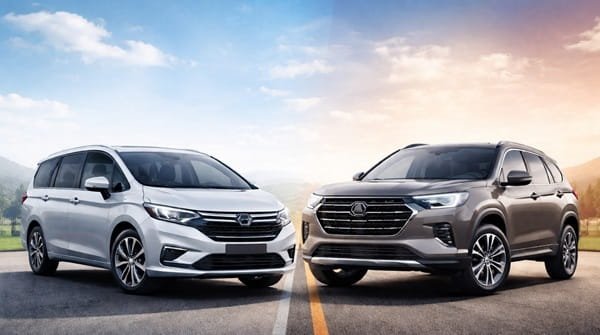
The third row is where the difference between an SUV and an MPV becomes obvious. MPVs are designed from the beginning to carry several passengers, so they generally use cabin length and floor space more efficiently. A lower floor, wide rear doors, sliding second-row seats, and captain-seat options make it easier to create a usable passage to the back.
In a well-packaged MPV, adults can sit more upright in the third row with better thigh support and knee room. That matters on a 500 km trip, where a seat that feels acceptable for ten minutes can become tiring after two hours. Dedicated rear AC vents also help in Indian summer conditions.
Many 7-seater SUVs are less efficient in the third row. A higher floor, drivetrain hardware, or shorter cabin can force a knees-up posture. Access may require tumbling the second-row seat, while the taller step-in height can be difficult for grandparents even with side steps.
Not every MPV has an adult-friendly third row, and some monocoque SUVs package the rear seats very well. Buyers should physically sit in the last row with the second row adjusted for an adult before booking.
Verdict: MPVs win for multi-generational comfort, easier access, and frequent adult use of the third row.
2. Boot Space & Practicality: Vacation Gear for 6 to 8 People
A large family’s luggage test should always be done with all three rows in use. Brochure boot figures can look impressive, but they become irrelevant if the third-row backrests consume most of the available depth.
MPVs usually make better use of vertical space behind the last row. Their boxier rear profile and upright tailgate can leave room for cabin-size trolley bags, backpacks, shopping bags, and soft luggage even when six or seven people are seated. On some models, the last row can fold flat or split individually when one seat is not required, giving families useful flexibility without sacrificing the entire row.
Many 7-seater SUVs become much less practical with the third row upright. The seatback may sit close to the tailgate, leaving enough room only for soft duffel bags or a few small backpacks. A stroller, wheelchair, or large suitcase may force the family to fold one rear seat or use a roof carrier.
A roof box can help, but it adds cost, drag, and loading effort. Loose luggage should always be properly restrained.
Verdict: MPVs usually offer better luggage efficiency when every seat is occupied, which is a major advantage for full-family holidays and festive travel.
3. All-Terrain Ability: Ground Clearance, Monsoons, and Suspension
This is where the SUV earns back ground. Many family SUVs offer around 190 mm to 210 mm of ground clearance, along with taller tyres, stronger suspension travel, and a more protected underbody. When seven passengers and luggage are on board, that extra margin is useful over broken village roads, high speed breakers, rough construction diversions, and badly patched state highways.
Some SUVs also offer AWD or proper 4WD, adding traction on loose gravel, slushy hill roads, or difficult rural approaches. That still does not make deep floodwater safe; water can damage any vehicle.
MPVs are usually tuned for ride comfort and road efficiency. Their softer suspension can be excellent on highways and ordinary city roads, but a fully loaded vehicle may sit lower and needs more care over unusually tall breakers or deep potholes. Modern crossover-style MPVs have improved ground clearance considerably, so buyers should compare the exact model rather than assuming every MPV is low-slung.
Verdict: SUVs are the stronger choice for regularly broken roads, unpaved routes, steep approaches, and difficult monsoon conditions.
4. Performance, Mileage, and Road Presence
SUVs appeal to drivers who want a commanding seating position and strong road presence. The higher eyeline helps the driver see over smaller vehicles in traffic, while turbo-petrol and diesel engines in larger SUVs often provide the torque needed for overtaking with a full passenger load. On mountain roads or when carrying seven people, that reserve can be reassuring.
The trade-off is mass and aerodynamics. A tall, heavy SUV usually consumes more fuel and can show more body roll through fast curves. Body-on-frame models may also feel less car-like in tight urban spaces.
MPVs tend to prioritise smoothness and efficiency. Many modern examples use monocoque construction, front-wheel drive, and car-like steering, making them easier to manage in city traffic than their size suggests. Hybrid MPVs can be particularly attractive to high-mileage families because they combine a large cabin with strong urban fuel economy.
On an expressway, a good MPV often feels calmer because its suspension is tuned around passengers. An SUV may feel stronger on a damaged approach road, but the MPV is often the smoother long-distance people carrier.
Verdict: Choose the SUV for commanding performance and tougher-road confidence; choose the MPV for relaxed cruising, space efficiency, and potentially lower fuel use.
Summary Comparison
| Metric / Family Aspect | 7-Seater SUV | Multi-Purpose Vehicle (MPV) |
| 3rd-Row Adult Comfort | Moderate – often best for kids/short trips | High in well-packaged MPVs |
| Elderly Ingress / Egress | Higher step-in; footboard may help | Lower floor / easier step-in |
| Boot Space (All Rows Up) | Often limited | Usually more space-efficient |
| Ground Clearance | High – roughly 190-210 mm | Moderate – often around 165-185 mm* |
| Rough Road / Flood Capability | High; some offer AWD / 4WD | Moderate; mainly road-focused |
| Highway Ride Comfort | Can be firm; more body movement | Usually plush and passenger-focused |
The Final Verdict: Which One Should Your Family Buy?
For a genuinely large family, the better choice depends on how often all seats are occupied. If six to eight people travel together regularly, third-row comfort and luggage room matter every single trip. In that situation, an MPV is usually the more sensible family machine.
- Choose an MPV if: Your priority is comfort for six to eight passengers, including elderly parents and adults in the third row; you regularly take full-family highway trips with luggage; and you value easy entry, a flexible cabin, and smooth fuel-efficient cruising.
- Choose a 7-Seater SUV if: You frequently face severe potholes, broken rural roads, steep hill routes, or monsoon-damaged streets; you value higher road visibility and tougher suspension; you need AWD or 4WD capability; and the third row is used mainly by children or only occasionally.
For most joint families that use every row often, the MPV is the better people mover. For families whose journeys regularly continue beyond good tarmac, the 7-seater SUV is the more versatile tool.