Wood furniture can completely change the feel of a home. Some woods create a rich luxury appearance that lasts for generations, while others focus more on affordability and lightweight practicality. Among the many options available today, teak wood and pine wood sit on opposite ends of the furniture market.
One is considered a premium hardwood trusted for centuries in luxury homes, ships, and high-end interiors. The other is a softwood loved for its affordability, modern Scandinavian-style appearance, and lightweight versatility.
At first glance, both can look beautiful once polished and finished. But underneath that surface, they behave very differently when exposed to moisture, scratches, termites, sunlight, and heavy daily use.
So before buying a bed, dining table, wardrobe, or study desk, it’s important to understand what separates teak wood from pine wood and which one is actually better for your home.
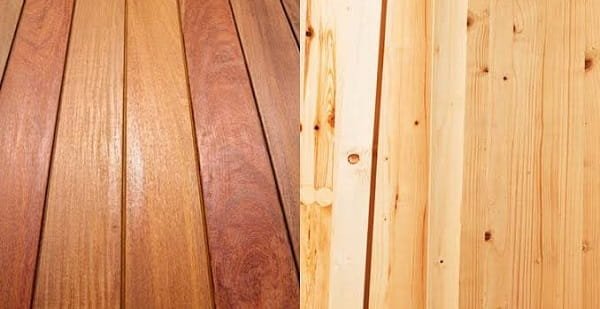
Teak Wood vs Pine Wood: Quick Comparison
| Feature | Teak Wood | Pine Wood |
| Wood Type | Premium hardwood | Softwood |
| Appearance | Rich golden-brown luxury finish | Light yellow or pale cream tone |
| Strength | Extremely strong | Moderate |
| Durability | Excellent | Moderate |
| Moisture Resistance | Outstanding | Low to moderate |
| Termite Resistance | Naturally resistant | Needs treatment |
| Weight | Heavy | Lightweight |
| Maintenance | Low | Moderate |
| Lifespan | 40–80 years | 10–20 years |
| Cost | Expensive | Affordable |
| Workability | Good | Very easy to shape |
| Best For | Luxury and heavy-duty furniture | Budget modern furniture |
What Is Teak Wood?
Teak wood is one of the most premium hardwoods used in furniture and construction.
It is famous for:
- Exceptional durability
- Natural oils
- Moisture resistance
- Long lifespan
Teak has been used for centuries in:
- Luxury furniture
- Outdoor furniture
- Doors and windows
- Boat building
- Premium interiors
Its natural oil content protects it against water, termites, and decay, making it one of the most reliable woods available.
What Is Pine Wood?
Pine wood comes from pine trees and belongs to the softwood category.
It is widely used because it is:
- Affordable
- Lightweight
- Easily available
- Easy to cut and shape
Pine is popular in:
- Budget furniture
- Scandinavian-style interiors
- Shelves
- Study tables
- Decorative wooden furniture
Its light natural colour gives furniture a clean and modern appearance.
Strength and Durability
Teak wood is significantly stronger and denser than pine wood.
It handles:
- Heavy weight
- Long-term use
- Daily wear and tear
- Structural stress
much better than pine.
Pine wood is softer and more prone to dents, scratches, and pressure marks. Heavy use over time may weaken pine furniture faster.
Winner:
Teak wood
Moisture and Water Resistance
This is one of teak wood’s biggest strengths.
Because of its natural oils, teak resists:
- Moisture
- Swelling
- Cracking
- Rot
extremely well.
Pine wood absorbs moisture more easily and may warp or swell if exposed to humidity or water regularly.
For humid Indian climates, teak is far more reliable.
Winner:
Teak wood
Termite and Pest Resistance
Teak naturally resists termites and insects because of its oil content.
Pine wood usually requires chemical treatment and protective finishing to improve termite resistance.
Without treatment, pine is more vulnerable to pests and decay.
Winner:
Teak wood
Appearance and Style
Teak wood has a rich golden-brown colour with elegant grain patterns that create a premium timeless appearance.
Pine wood has a lighter and softer look with visible knots and subtle grain textures. It suits:
- Scandinavian interiors
- Rustic designs
- Minimalist furniture
Winner:
- Teak for luxury appearance
- Pine for light modern aesthetics
Weight and Portability
Teak furniture is heavy and extremely solid, which improves stability and durability.
Pine wood is much lighter and easier to:
- Move
- Rearrange
- Transport during shifting
This makes pine popular in modern apartments and temporary setups.
Winner:
Pine wood
Maintenance and Care
Teak requires minimal maintenance because it naturally protects itself from moisture and insects.
Pine wood requires more care and protection against:
- Scratches
- Moisture
- Termites
- Surface dents
Winner:
Teak wood
Workability and Furniture Design
Pine wood is softer and easier to cut, carve, and shape.
This makes it highly popular for:
- DIY furniture
- Decorative furniture
- Affordable handcrafted items
Teak is harder and denser, which increases manufacturing effort and cost.
Winner:
Pine wood
Cost Difference
Pine wood is far cheaper than teak wood.
This makes pine attractive for:
- Budget furniture
- Starter apartments
- Temporary interiors
- Decorative furniture
Teak wood costs significantly more because of:
- Premium quality
- High durability
- Long lifespan
- Natural resistance properties
Winner:
Pine wood for affordability
Lifespan and Long-Term Value
High-quality teak furniture can easily last several decades or even generations.
Pine furniture generally has a shorter lifespan, especially under heavy use or humid conditions.
Winner:
Teak wood
Which Is Better for Furniture?
Choose teak wood for:
- Luxury furniture
- Heavy-use furniture
- Long-term investment furniture
- Outdoor furniture
- Premium interiors
Choose pine wood for:
- Budget furniture
- Lightweight furniture
- Modern minimalist interiors
- Decorative furniture
- DIY furniture projects
Which One Should You Choose?
Choose teak wood if:
- You want maximum durability
- You need moisture resistance
- You prefer luxury furniture
- You want furniture that lasts decades
- Budget is not your biggest concern
Choose pine wood if:
- You want affordable furniture
- You prefer lightweight designs
- You like Scandinavian or rustic interiors
- You need furniture for light usage
- You want easy-to-move furniture
Final Verdict
Both teak wood and pine wood have their own strengths, but they are built for completely different purposes.
Teak wood remains one of the finest furniture woods available because of its durability, moisture resistance, termite protection, and luxury appearance. It is ideal for homeowners looking for long-term premium furniture.
Pine wood, meanwhile, offers affordability, lightweight practicality, and modern minimalist appeal. It may not match teak’s lifespan or strength, but it provides stylish wooden furniture at a much lower price.
In simple terms:
- Choose teak wood for durability, luxury, and long-term investment
- Choose pine wood for affordability, lightweight furniture, and modern interiors
For many homeowners today, pine works well for casual and decorative furniture, while teak remains the premium choice for furniture meant to last generations.
FAQs
Q: Which is better, teak wood or pine wood?
A: Teak wood is generally better for durability, moisture resistance, and long-term furniture quality, while pine wood is more affordable and lightweight.
Q: Is pine wood good for furniture?
A: Yes. Pine wood is widely used for affordable furniture and modern minimalist interiors.
Q: Which wood lasts longer?
A: Teak wood lasts much longer because of its dense hardwood structure and natural oils.
Q: Why is teak wood expensive?
A: Teak is expensive because of its premium durability, natural resistance properties, and long lifespan.
Q: Does pine wood scratch easily?
A: Yes. Pine is a softwood and is more prone to dents and scratches compared to teak.
Q: Which wood is better for beds?
A: Teak wood is generally better for heavy-duty furniture like beds because of its superior strength.
Q: Is pine wood termite-resistant?
A: Pine wood usually requires proper treatment for termite resistance, while teak naturally performs much better against pests.