Choosing the right paint for your home walls is not just about colour. The type of paint you use affects durability, finish, maintenance, drying time, and overall appearance. Two of the most commonly discussed options are oil paint and acrylic paint.
For many years, oil paint was the traditional choice for woodwork, metal surfaces, and furniture because of its smooth finish and durability. But today, acrylic paint has become extremely popular because it dries faster, has less smell, and works well for modern homes.
Both paints have their own advantages and disadvantages. The better option depends on where you are using the paint, your budget, maintenance expectations, and the finish you want.
If you are confused between oil paint and acrylic paint, this detailed comparison will help you choose the right one for your home.
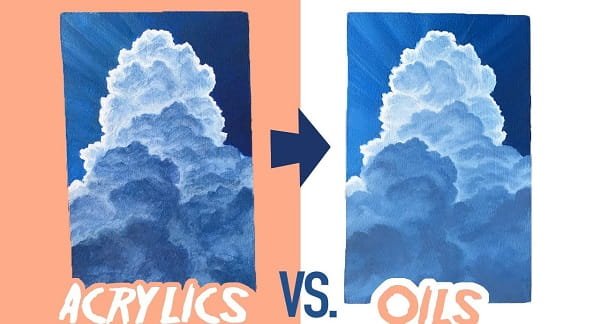
Oil Paint vs Acrylic Paint: Quick Comparison
| Feature | Oil Paint | Acrylic Paint |
| Base | Oil-based | Water-based |
| Drying Time | Slow | Fast |
| Smell | Strong odour | Low odour |
| Finish | Smooth and glossy | Matte to glossy options |
| Durability | Very durable | Durable |
| Water Resistance | Excellent | Good |
| Flexibility | Can crack over time | More flexible |
| Maintenance | Harder to clean tools | Easy water cleanup |
| Eco-Friendliness | Lower | Better |
| Cost | Moderate to high | Moderate |
| Best For | Metal, wood, trim | Walls, ceilings, interiors |
| VOC Emissions | Higher | Lower |
What Is Oil Paint?
Oil paint is a solvent-based paint made using natural or synthetic oils mixed with pigments and solvents.
It has been used for decades because it creates a hard, smooth, and durable finish. Oil paint is especially popular for:
- Wooden doors
- Window frames
- Metal grills
- Furniture
- Cabinets
Oil paint takes longer to dry but creates a rich finish that many people still prefer for wood and metal surfaces.
What Is Acrylic Paint?
Acrylic paint is a water-based paint made using acrylic resin. It has become one of the most widely used paints in modern homes because it dries quickly, produces less smell, and is easier to apply.
Acrylic paints are commonly used for:
- Interior walls
- Exterior walls
- Ceilings
- Decorative finishes
- Modern furniture
They are available in matte, satin, semi-gloss, and glossy finishes.
Drying Time
One of the biggest differences between the two paints is drying time.
Oil paint dries slowly and may take several hours or even days to fully cure. During this time, dust particles can stick to the surface.
Acrylic paint dries much faster, often within a few hours. This makes painting projects quicker and more convenient.
Winner:
Acrylic paint
Finish and Appearance
Oil paint is famous for its smooth and rich glossy finish. It gives wood and metal surfaces a polished look that many homeowners still love.
Acrylic paint also offers attractive finishes, but it generally looks slightly softer compared to the deep shine of oil paint.
For premium glossy woodwork, oil paint still has a classic appeal.
Winner:
Oil paint for glossy finish
Durability and Long-Term Performance
Oil paint creates a hard protective layer that resists wear and tear well. It performs especially well on metal and wooden surfaces.
However, over time, oil paint may become brittle and develop cracks or yellowing, especially in sunlight.
Acrylic paint is more flexible. It expands and contracts better with weather changes, reducing cracking and peeling.
For exterior walls and changing climates, acrylic paint usually performs better long term.
Winner:
- Oil paint for hard surfaces
- Acrylic paint for flexibility and weather resistance
Water and Moisture Resistance
Oil paint offers excellent resistance to water and moisture, which is why it is often used on metal and wood.
Acrylic paint also resists moisture well but may not match oil paint in extremely wet or harsh conditions.
For bathrooms, kitchens, and exterior walls, high-quality acrylic paints now provide very reliable performance.
Winner:
Oil paint slightly ahead
Smell and Indoor Comfort
Oil paint produces a strong smell because of the solvents used in it. The odour can remain for several days and may cause discomfort during painting.
Acrylic paint has much lower odour and creates a more comfortable indoor environment during renovation work.
This is one reason why modern homeowners increasingly prefer acrylic paint.
Winner:
Acrylic paint
Maintenance and Cleaning
Cleaning brushes and rollers after using oil paint requires turpentine or chemical solvents.
Acrylic paint is much easier to clean because tools can usually be washed with plain water.
Acrylic-painted walls are also easier to maintain in everyday use.
Winner:
Acrylic paint
Environmental Impact
Oil paint contains higher levels of VOCs (Volatile Organic Compounds), which are less eco-friendly and may affect indoor air quality.
Acrylic paints are generally considered safer and more environmentally friendly because they contain lower VOC levels.
Winner:
Acrylic paint
Cost Difference
The price difference depends on the brand and finish quality.
Oil paint may cost slightly more because of its slower application process and solvent requirements.
Acrylic paint is available in a wide price range and is often more economical for large wall areas because of faster application and lower labour costs.
Winner:
Acrylic paint for overall value
Which Is Better for Walls?
For interior and exterior walls, acrylic paint is generally the better choice today.
It offers:
- Faster drying
- Less smell
- Better flexibility
- Easier maintenance
- Lower VOC emissions
Most modern wall paints used in homes are acrylic-based.
Which Is Better for Wood and Metal?
Oil paint still performs very well on:
- Wooden doors
- Window frames
- Railings
- Metal grills
- Furniture
Its smooth glossy finish and hard coating make it a popular choice for these surfaces.
Which One Should You Choose?
Choose oil paint if:
- You want a rich glossy finish
- You are painting wood or metal surfaces
- You prioritise hardness and durability
- You do not mind longer drying time
Choose acrylic paint if:
- You want low odour paint
- You need faster drying
- You are painting walls or ceilings
- You want easier maintenance
- You prefer eco-friendly options
Final Verdict
Both oil paint and acrylic paint are excellent in different situations.
Oil paint remains a strong choice for wood and metal because of its smooth glossy finish and durability. However, it takes longer to dry, produces stronger odour, and requires more maintenance during application.
Acrylic paint has become the preferred modern option for walls and interiors because it dries quickly, smells less, cleans easily, and performs well in different weather conditions.
In simple terms:
- Choose oil paint for glossy wood and metal finishes
- Choose acrylic paint for modern walls and low-maintenance interiors
For most modern homes today, acrylic paint is usually the more practical and convenient choice overall.
FAQs
Q: Is acrylic paint better than oil paint?
A: Acrylic paint is generally better for walls and interiors because it dries faster and has lower odour. Oil paint is still preferred for glossy wood and metal finishes.
Q: Which paint lasts longer?
A: Both can last many years. Oil paint forms a harder surface, while acrylic paint offers better flexibility and crack resistance.
Q: Does oil paint smell strong?
A: Yes. Oil paint has a strong solvent smell that can remain for several days.
Q: Is acrylic paint waterproof?
A: High-quality acrylic paint offers good water resistance, especially for walls and exterior surfaces.
Q: Which paint dries faster?
A: Acrylic paint dries much faster than oil paint.
Q: Can acrylic paint be used on wood?
A: Yes. Acrylic paint can be used on wood, though oil paint often gives a smoother glossy finish.
Q: Which is more eco-friendly?
A: Acrylic paint is more environmentally friendly because it contains lower VOC emissions compared to oil paint.