Few businesses in India are as fundamental as selling vegetables. Every household, every restaurant, every hotel, every school canteen — all of them need fresh vegetables every single day without exception. This daily, non-negotiable demand makes the vegetable business one of the most resilient and accessible income opportunities in the country. But is it actually profitable? The answer depends heavily on where you operate, how smart your sourcing is, and which model you choose to build.
The Market: Daily Demand, Year-Round Business
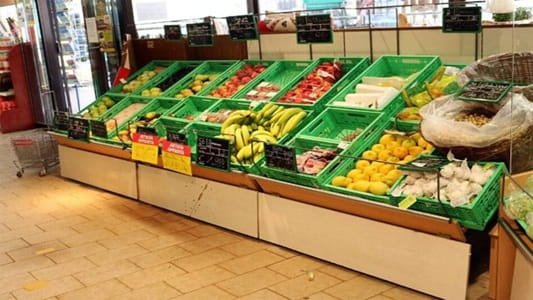
India’s fruit and vegetable market is valued at over ₹10 lakh crore and is among the largest in the world. The country produces over 200 million tonnes of vegetables annually, yet post-harvest losses and supply chain inefficiencies mean that demand consistently outpaces efficient supply in most urban markets.
For the small entrepreneur, this inefficiency is an opportunity. The gap between farm-gate and consumer prices is wide — sometimes 200–400% — and those who position themselves smartly within this chain capture meaningful margins.
Business Models: Pick the Right One
The vegetable business is not one-size-fits-all. There are several models, each with different investment levels and profit profiles.
Retail Vegetable Shop — The most common entry point. A physical shop in a residential area, market, or near a school or office hub. Low setup cost, immediate local demand, and the ability to build loyal daily customers.
Mobile Vending / Thela Business — A push-cart or tempo that covers a fixed route through residential colonies every morning. Extremely low investment, no rent, and the convenience factor keeps customers loyal.
Vegetable Farming and Direct Selling — Growing and selling directly to consumers or restaurants eliminates the middleman and captures the highest margins in the chain.
Investment and Earnings
A basic retail vegetable shop can be set up for ₹50,000–2 lakh, covering display racks, weighing scales, initial stock, and a modest shopfront. Daily revenue for a well-located shop ranges from ₹5,000–15,000, with gross margins of 15–30% on most vegetables. Monthly net profits of ₹15,000–45,000 are realistic for a consistently run neighbourhood shop.
A mobile vending setup is even cheaper — a thela and initial stock can be started for under ₹20,000 — and many vendors in cities like Bhubaneswar, Pune, and Jaipur earn ₹800–1,500 in daily net profit from fixed morning routes.
What Drives Profitability
Reducing Wastage: Vegetables are perishable and wastage is the silent profit killer. Buying only what you can sell within 24–48 hours and storing properly are critical to protecting margins.
Challenges to Be Aware Of
Price volatility is the most unpredictable element. Tomatoes that cost ₹20 per kg one week can drop to ₹5 the next. Building relationships with multiple suppliers and avoiding over-stocking protects cash flow.
Physical effort and early hours are real — most vegetable businesses require a 4–5 AM start for mandi procurement.
The Verdict: Profitable If Managed Tightly
The vegetable business in India is genuinely profitable — not glamorous, but dependable. It serves a need that never goes away, requires relatively modest investment, and rewards those who manage waste, source smartly, and serve their customers consistently. Whether you start with a thela or a shop, the vegetable business offers a clear path to steady, growing income.
Frequently Asked Questions (FAQs)
Q1. How much investment is needed to start a vegetable business?
A mobile vending setup can start under ₹20,000. A retail shop requires ₹50,000–2 lakh. A vegetable farming operation depends on land size but can begin meaningfully with ₹1–3 lakh for a small plot with high-value crops.
Q2. What are the profit margins in the vegetable business?
Retail shops earn gross margins of 15–30% on most vegetables, with higher margins on exotic or seasonal items. Direct farm-to-consumer models and online delivery subscriptions can achieve 30–45% margins by eliminating intermediaries.
Q3. Which vegetables are most profitable to sell?
Exotic and high-value vegetables — mushrooms, broccoli, baby corn, zucchini, coloured capsicum, and fresh herbs — offer the strongest margins. Among everyday vegetables, onion, tomato, and potato drive the highest volumes but carry the most price volatility.
Q4. Is an online vegetable delivery business viable in India?
Yes, especially in Tier-1 and growing Tier-2 cities. Subscription-based models offering fresh, clean, and conveniently delivered vegetables are gaining strong traction. The key is building reliable sourcing, maintaining freshness, and delivering consistently on time.
Q5. How do I reduce vegetable wastage in my business?
Order based on your actual daily sales data rather than estimates. Store vegetables in cool, shaded, and well-ventilated conditions. Sell slightly older stock at a small discount rather than letting it spoil. Reducing wastage by even 5% can meaningfully improve monthly profits.
Q6. Do I need any licence to sell vegetables in India?
For a street-side or mobile vendor, a basic municipal vending licence is typically required under the Street Vendors Act. A retail shop needs a trade licence from the local municipal authority. If you are processing or packaging vegetables, FSSAI registration becomes mandatory.
Vegetables feed every table in India — build the business that keeps them fresh, available, and affordable, and you will never run out of customers.