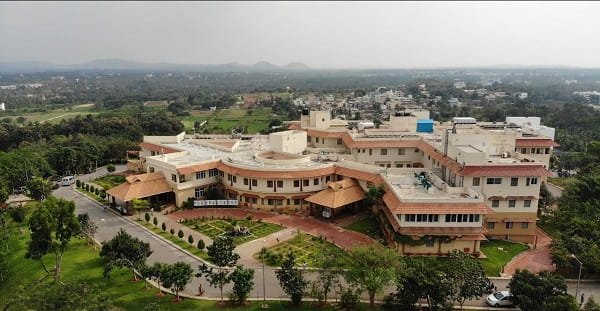
In 2026, the world’s largest hospitals represent extraordinary feats of healthcare infrastructure, designed to serve massive populations amid rising demands for medical services. These institutions, primarily in Asia, operate on a scale that dwarfs most Western facilities, handling millions of outpatient visits and hundreds of thousands of admissions annually. While size alone does not guarantee quality, these giants combine vast bed capacity with advanced technology, research capabilities, and specialized departments. They play a critical role in public health, medical education, and emergency response, often functioning as national referral centres.
This article highlights the Top 5 Biggest Hospitals in the World for 2026, ranked primarily by operational bed capacity. Data is drawn from official reports, government records, and global health surveys. These hospitals demonstrate how large-scale facilities can deliver both volume and specialized care, though they also face challenges like overcrowding and resource management.
1. First Affiliated Hospital of Zhengzhou University, Zhengzhou, China

The First Affiliated Hospital of Zhengzhou University stands as the largest hospital in the world in 2026, with an operational capacity exceeding 7,000 beds (some estimates place it near 12,000+ with expansions). This massive academic medical centre is a flagship of China’s healthcare expansion.
Key Highlights:
- Beds & Facilities: Over 7,000 beds across a sprawling campus featuring dozens of specialized institutes, advanced ICUs, robotic surgery suites, proton therapy, and comprehensive diagnostic centres.
- Specialties: All major disciplines including oncology, cardiology, neurosciences, organ transplants, orthopedics, and rare disease management. It leads in high-volume complex surgeries, clinical research, and medical training.
- Accreditations: Top-tier national standards with growing international collaborations.
This hospital handles millions of outpatient visits annually and serves as a national referral centre for the most complex cases in China.
2. Ahmedabad Civil Hospital, Ahmedabad, India
Ahmedabad Civil Hospital is one of India’s largest public hospitals and consistently ranks among the world’s biggest by bed capacity. It serves as a vital tertiary care provider for Gujarat and surrounding regions.
Key Highlights:
- Beds & Facilities: Approximately 7,000 beds (including associated facilities) with extensive ICUs, surgical complexes, trauma centres, and specialty departments.
- Specialties: General medicine & surgery, cardiology, oncology, orthopedics, maternal & child health, and infectious diseases. It plays a critical role in public health programs and disaster response.
- Accreditations: Government standards with ongoing modernization and digital initiatives.
As a public facility, it offers highly subsidized care under various government schemes, making advanced treatment accessible to large populations.
3. West China Hospital of Sichuan University, Chengdu, China
West China Hospital is a world-renowned academic medical centre consistently ranked among the largest and best in Asia for both scale and clinical excellence.
Key Highlights:
- Beds & Facilities: Approximately 4,300 beds with world-class research facilities, advanced imaging, robotic systems, and specialized centres.
- Specialties: Oncology, cardiology, neurosciences, organ transplants, and rare diseases. It leads in many national medical protocols and international research collaborations.
- Accreditations: Top national and international recognition.
This hospital is celebrated for blending massive scale with high clinical standards and innovation.
4. National Center for Mental Health, Mandaluyong, Philippines
While primarily focused on mental health and behavioural sciences, this facility stands out for its enormous scale and is frequently listed among the world’s largest single-site hospitals.
Key Highlights:
- Beds & Facilities: Approximately 4,200 beds dedicated to psychiatric and behavioural health, with growing integrated medical services.
- Specialties: Comprehensive mental health, addiction treatment, and related medical care. It serves as a national referral centre for severe psychiatric conditions.
- Accreditations: Government standards with ongoing modernization efforts.
It highlights Asia’s focus on addressing large-scale public health needs, particularly in mental health.
5. Linkou Chang Gung Memorial Hospital, Taoyuan, Taiwan
Chang Gung Memorial Hospital’s Linkou branch is one of Asia’s largest and most technologically advanced facilities, renowned for efficiency and clinical outcomes.
Key Highlights:
- Beds & Facilities: Around 3,700–4,000 beds with extensive robotic surgery programs, proton therapy, and comprehensive specialty institutes.
- Specialties: Oncology, cardiology, organ transplants, orthopedics, and plastic/reconstructive surgery. Strong emphasis on quality, patient safety, and medical tourism.
- Accreditations: JCI and other international standards.
It is highly regarded for medical tourism and outstanding clinical results.
Common Strengths Across These Massive Hospitals:
- Scale & Access: Ability to serve millions annually, making advanced care reachable for large populations.
- Technology: Widespread adoption of robotics, AI diagnostics, and digital health records.
- Research & Training: Major contributions to medical education and clinical trials.
- Challenges: High patient volumes can lead to overcrowding; many are addressing this through digital triage, expansions, and specialized wings.
Factors to Consider:
Largest hospitals often prioritize volume and essential services. For specialized or elective care, patients may also consider smaller, high-end facilities. International patients should check language support, visa processes, and dedicated departments. Always verify current bed capacity and services directly, as expansions are ongoing.
The world’s biggest hospitals in 2026 demonstrate Asia’s leadership in addressing the healthcare demands of billions. They not only provide treatment on an unprecedented scale but also drive innovation, training, and equitable access across diverse populations.
FAQs
Q1: Which is the largest hospital in the world in 2026?
A: The First Affiliated Hospital of Zhengzhou University in China leads with over 7,000 beds (some reports cite higher with expansions).
Q2: Are bigger hospitals always better?
A: Not necessarily. Larger size enables high-volume expertise and advanced equipment, but quality also depends on specialists, technology, management, and patient-to-staff ratios.
Q3: Do these hospitals accept international patients?
A: Yes, many (especially in China, India, and Taiwan) have dedicated international departments, though language support and processes vary.
Q4: How affordable is treatment in these large hospitals?
A: Government-linked ones (China and India) offer highly subsidized care. Private wings have higher costs but remain more affordable than many Western equivalents.
Q5: What specialties are strongest?
A: Oncology, cardiology, organ transplants, trauma, and infectious diseases are particularly strong due to high case volumes.
Q6: How to seek treatment as an international patient?
A: Contact international patient desks via hospital websites for visa assistance, cost estimates, and appointments. Many offer teleconsultations.
Q7: Are there new developments in 2026?
A: Continued bed expansions, AI integration, robotic surgery growth, and digital health advancements are common across the world’s largest facilities.
Note: Bed capacities are approximate and based on the latest available reports. Please verify directly with hospitals as numbers can change with expansions. Always consult qualified medical professionals for health advice.