When designing a modern home, choosing the right surface finish for furniture, wardrobes, kitchen cabinets, and wall panels matters more than most people think. Two of the most common options homeowners compare are laminate and veneer. Both are stylish, widely used, and available in countless designs, but they are completely different materials with different strengths.
Some people prefer laminate because it is affordable, durable, and easy to maintain. Others choose veneer because it offers the beauty and richness of real wood. The right option depends on your budget, lifestyle, maintenance expectations, and the type of interior look you want to create.
If you are confused between laminate and veneer, this detailed comparison will help you understand which one is better for your home.
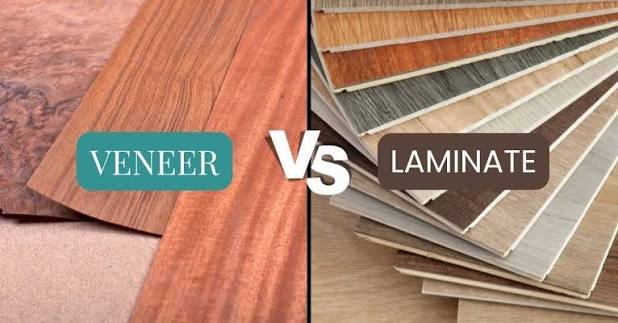
Laminate vs Veneer: Quick Comparison
| Feature | Laminate | Veneer |
| Material Type | Synthetic layered sheet | Thin slice of natural wood |
| Appearance | Uniform and designed finishes | Natural wood grain appearance |
| Cost | Affordable | Premium and expensive |
| Durability | Highly durable | Moderate durability |
| Scratch Resistance | Strong | Can scratch easily |
| Water Resistance | Better moisture resistance | Sensitive to moisture |
| Maintenance | Low maintenance | Needs polishing and care |
| Design Variety | Huge range of colours and textures | Limited to natural wood species |
| Repairability | Difficult to repair invisibly | Can be sanded and polished |
| Best For | Budget homes, kitchens, offices | Luxury interiors, premium furniture |
| Lifespan | 8–15 years | 15–20 years with proper care |
What Is Laminate?
Laminate is a man-made surface material created by pressing layers of paper and resin under high pressure. It is then pasted onto plywood, MDF, or particle board.
Laminate is one of the most commonly used finishes in Indian homes because it is affordable, practical, and available in thousands of designs. It can imitate wood, marble, stone, concrete, leather, and many other textures.
Modern laminates come in matte, glossy, textured, suede, and anti-fingerprint finishes, making them suitable for almost every interior style.
What Is Veneer?
Veneer is a thin layer of real natural wood attached to a plywood or MDF surface. Since it comes from actual wood logs, every veneer sheet has unique grains and patterns.
Veneer is often used in luxury interiors because it gives furniture the rich warmth and elegance of real wood without using solid timber everywhere.
Popular veneer types include teak, oak, walnut, maple, and mahogany.
Appearance and Natural Beauty
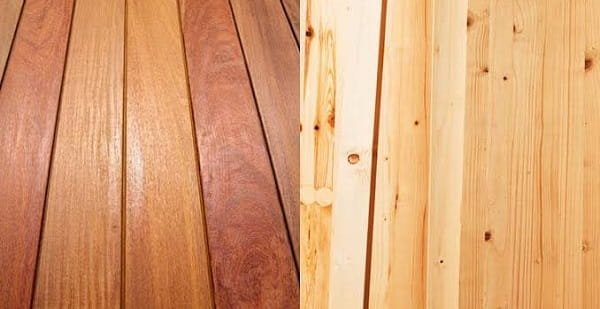
This is where veneer stands out immediately. Since it is made from real wood, it has authentic grain patterns, natural texture, and warmth that laminate cannot fully replicate.
Every veneer surface looks slightly different, which adds character and exclusivity to furniture. Luxury homes, premium offices, and designer interiors often use veneer for this reason.
Laminate, however, offers more consistency. It can mimic wood quite well, but the pattern usually repeats and lacks the depth of natural timber.
Winner:
- Veneer for premium natural beauty
- Laminate for design variety and consistency
Durability and Daily Usage
Laminate performs better in heavy daily use. It is resistant to scratches, stains, and rough handling, making it ideal for busy households with children or frequent usage.
Veneer is more delicate because it is real wood. Sharp objects, moisture, and rough handling can damage the surface more easily.
For practical everyday use, laminate usually lasts better with less effort.
Winner:
Laminate
Water and Moisture Resistance
Laminate handles moisture better than veneer. Its synthetic top layer offers decent protection against spills and humidity.
Veneer is more sensitive to water exposure. If moisture enters the wood surface or edges, swelling or warping may occur over time.
This makes laminate more suitable for kitchens, utility areas, and humid climates.
Winner:
Laminate
Maintenance and Care
Laminate is extremely easy to maintain. A simple cloth wipe is usually enough to keep it clean.
Veneer requires more care because natural wood surfaces may need periodic polishing or refinishing to maintain their beauty. Direct sunlight and moisture can also affect the finish over time.
If you prefer low-maintenance interiors, laminate is the more practical choice.
Winner:
Laminate
Repair and Restoration
One major advantage of veneer is repairability. Since it is real wood, scratches and dullness can often be sanded and polished again.
Laminate cannot usually be repaired once damaged. Deep scratches, chipped corners, or burns often require replacing the entire panel.
Winner:
Veneer
Cost Difference
Laminate is much more budget-friendly and widely used in affordable and mid-range interior projects.
Veneer is considered a premium material because it uses natural wood. The price depends on the wood species and finish quality, but it is generally far more expensive than laminate.
For full-home interiors, veneer can significantly increase project costs.
Winner:
Laminate for affordability
Which Is Better for Kitchens?
For Indian kitchens, laminate is generally the safer and more practical choice. It handles heat, stains, oil splashes, and moisture better with less maintenance.
Veneer can look beautiful in luxury kitchens, but it requires careful handling and regular maintenance to prevent long-term damage.
Many designers use veneer selectively on dining units, islands, or decorative panels rather than entire kitchen cabinets.
Which One Should You Choose?
Choose laminate if:
- You want a budget-friendly option
- You prefer durability and practicality
- You want easy maintenance
- You need moisture-resistant surfaces
- You are furnishing a rental or family home
Choose veneer if:
- You love the richness of natural wood
- You want a luxury premium interior
- You are comfortable with regular maintenance
- You want unique wood grain patterns
- You prefer timeless classic interiors
Final Verdict
Both laminate and veneer are excellent materials, but they are made for different priorities.
Laminate is practical, affordable, durable, and easy to maintain. It is the better choice for most modern households, especially for kitchens, wardrobes, offices, and high-use furniture.
Veneer, on the other hand, offers unmatched natural beauty and elegance. The warmth of real wood creates a premium appearance that laminate cannot fully duplicate. If budget is not a concern and you appreciate authentic wood finishes, veneer can elevate the entire look of your home.
In simple terms:
- Choose laminate for practicality and affordability
- Choose veneer for luxury and natural aesthetics
FAQs
Q. Is veneer better than laminate?
Veneer looks more premium because it is made from real wood, but laminate is more durable and easier to maintain. The better option depends on your needs and budget.
Q. Which lasts longer, laminate or veneer?
Both can last many years. Veneer can last longer if maintained properly, while laminate performs better in rough daily use.
Q. Is veneer waterproof?
No. Veneer is made from natural wood and can get damaged by excessive moisture if not sealed properly.
Q. Which is more expensive?
Veneer is usually much more expensive than laminate because it uses real wood.
Q. Can laminate look like real wood?
Yes. Modern laminates can closely imitate wood textures, though they still lack the depth and uniqueness of natural veneer.
Q. Which is better for wardrobes?
Laminate is better for durability and easy maintenance, while veneer is ideal for premium luxury wardrobes.
Q. Is veneer good for kitchens?
Veneer can be used in kitchens, but it needs proper sealing and regular maintenance to protect it from moisture and heat.