Very few food businesses in India operate with demand as constant as eggs. From roadside stalls and tea shops to hotels, bakeries, gyms, restaurants, and households, eggs are consumed every single day across almost every income group. They are affordable, protein-rich, easy to cook, and deeply integrated into India’s growing food economy.
This constant demand is exactly why the egg business continues attracting small vendors, wholesalers, poultry farmers, and even large food distribution companies. But how profitable is the egg business actually?
The answer depends heavily on:
- Your business model
- Sourcing cost
- Daily volume
- Distribution network
- Storage management
- Market price fluctuations
A small roadside egg stall may generate stable daily income with very low investment, while a properly managed wholesale or poultry operation can scale into a highly profitable business with recurring cash flow.
The business may not look glamorous, but it remains one of the most dependable food-related income opportunities in India.
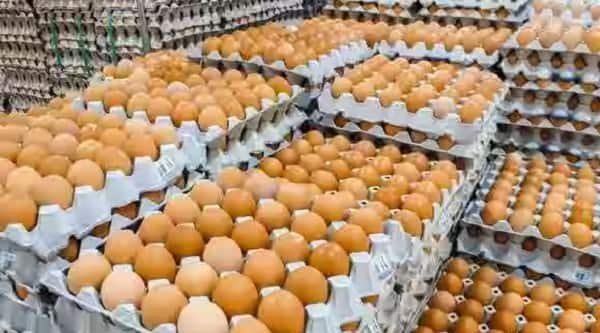
The Market: Massive Consumption Across India
India is one of the world’s largest egg-producing countries, and consumption continues increasing every year.
Demand comes from:
- Homes
- Restaurants
- Fast food shops
- Hotels
- Street food vendors
- Bakeries
- Fitness-conscious consumers
Eggs are also considered one of the cheapest protein sources available, making them popular across both urban and rural markets.
Unlike trend-based businesses, eggs benefit from necessity-driven demand. Even during economic slowdowns, people continue buying eggs regularly because they remain affordable compared to many other protein foods.
Different Egg Business Models
The egg business has multiple entry points depending on budget and scale.
Retail Egg Shop
This is the most common model.
You purchase trays from wholesalers and sell directly to local customers through:
- Small shops
- Market stalls
- Pushcarts
- Kirana tie-ups
Investment remains relatively low, and daily cash flow is usually steady.
Wholesale Egg Distribution
Here, you supply eggs in bulk to:
- Retail shops
- Hotels
- Restaurants
- Bakeries
- Street vendors
Margins per egg may be smaller, but volume becomes very high.
Poultry Farming
This is the large-scale production model where you raise hens and produce eggs yourself.
This model requires:
- Land
- Sheds
- Feed management
- Veterinary care
- Labour
but it also allows higher long-term scaling potential.
Egg Stall or Food Cart
Many small entrepreneurs combine:
- Boiled eggs
- Omelettes
- Egg rolls
- Egg fried rice
with raw egg selling.
Value-added food items usually increase profitability significantly.
Investment Required
The entry barrier for the egg business is relatively low compared to many businesses.
Small Retail Setup
A simple retail egg stall may start with:
- ₹10,000–₹50,000
covering:
- Initial stock
- Trays
- Basic cart or stall
- Storage
- Working capital
Wholesale Distribution
A wholesale setup may require:
- ₹1 lakh–₹5 lakh
depending on inventory scale and transportation needs.
Poultry Farm
A commercial poultry farm may require:
- ₹5 lakh to several crores
depending on bird capacity and infrastructure.
Profit Margins in the Egg Business
The business mainly works on:
- High volume
- Fast rotation
- Daily repeat demand
Retail Margins
Retail sellers often earn:
- ₹0.50–₹2 profit per egg
depending on market conditions.
This may sound small, but daily volume changes everything.
A shop selling:
- 1,000 eggs daily
can generate meaningful monthly profits.
Food-Based Egg Businesses
Margins become much higher when eggs are converted into food products like:
- Omelettes
- Egg rolls
- Egg curry
- Sandwiches
This is why many street vendors earn more from cooked egg items than raw egg selling itself.
What Makes the Egg Business Profitable
Daily Repeat Customers
One of the biggest strengths of the business is repeat demand.
Customers buy eggs regularly, sometimes daily.
Fast Inventory Movement
Eggs usually sell quickly in active locations, reducing long-term inventory blocking.
Low Startup Barrier
Compared to restaurants or supermarkets, entry cost remains relatively affordable.
Multiple Income Streams
Businesses can combine:
- Raw egg sales
- Cooked food
- Wholesale supply
- Delivery services
for better profitability.
Biggest Challenges in the Egg Business
Price Volatility
Egg prices fluctuate heavily due to:
- Feed cost
- Weather
- Supply shortages
- Seasonal demand
Margins can shrink suddenly during unstable periods.
Breakage and Damage
Eggs are fragile.
Improper transportation or storage causes losses quickly.
Storage Issues
Eggs require:
- Proper ventilation
- Temperature management
- Careful handling
especially during summer.
Disease Risks in Poultry Farming
For poultry farm owners, bird diseases can create major financial losses.
Seasonal Demand Patterns
The egg business experiences seasonal movement.
Higher Demand During:
- Winter season
- Fitness trends
- School reopening periods
- Festival food businesses
Lower Demand During:
- Extreme summer in some regions
- Certain religious fasting periods
Understanding local buying patterns matters a lot.
How Small Egg Businesses Grow Bigger
Many successful businesses begin extremely small.
Growth often happens through:
- Restaurant supply contracts
- Hotel tie-ups
- Home delivery services
- Bulk wholesale networks
- Franchise food stalls
Some entrepreneurs eventually expand into:
- Poultry feed
- Chicken business
- Frozen food
- Packaged egg brands
Tips to Increase Profitability
Focus on High-Traffic Locations
Near:
- Schools
- Gyms
- Markets
- Hostels
- Railway stations
egg demand remains consistently strong.
Reduce Breakage
Even small reductions in damage improve profits meaningfully.
Add Cooked Food Options
Selling prepared egg snacks dramatically improves margins.
Build Regular Supply Clients
Hotels and restaurants create recurring stable orders.
Is the Egg Business Still Worth Starting?
Yes — especially because it combines:
- Essential food demand
- Relatively low startup cost
- Daily cash flow
- Scalable operations
However, profitability depends heavily on:
- Volume
- Sourcing efficiency
- Waste control
- Customer location
The business rewards consistency more than glamour.
The Verdict: Small Margins, Strong Volume Business
The egg business is genuinely profitable when managed efficiently. It may not generate huge profits per unit, but the combination of:
- Massive daily demand
- Fast inventory movement
- Repeat customers
- Low entry barrier
makes it one of the most practical food businesses in India.
The real money often comes from:
- Scale
- Distribution
- Value-added food products
- Long-term supply contracts
For disciplined operators who manage sourcing, handling, and daily sales carefully, the egg business can become a dependable and steadily growing income source.
Frequently Asked Questions (FAQs)
Q1. Is the egg business profitable in India?
A: Yes. The business benefits from strong daily demand and fast-moving inventory, especially in urban and semi-urban markets.
Q2. How much investment is needed to start an egg business?
A: A small retail setup may start with ₹10,000–₹50,000, while wholesale and poultry operations require larger investment.
Q3. What are the profit margins in egg selling?
A: Retail margins are usually small per egg but become meaningful through large daily sales volume.
Q4. Which egg business model is most profitable?
A: Poultry farming and cooked egg food businesses generally offer higher long-term profitability than simple retail selling.
Q5. What is the biggest risk in the egg business?
A: Price fluctuations, breakage, storage issues, and supply instability are major challenges.
Q6. Can I start an egg business from home?
A: Yes. Many small home-based supply and delivery businesses begin with local neighborhood customers.
Q7. Do egg businesses require licences?
A: Small retail sellers may need basic local trade permissions, while larger poultry farms and food operations may require additional registrations.
Q8. How do egg stalls earn higher profits?
A: By selling cooked food items like omelettes, egg rolls, and boiled eggs alongside raw eggs.