Rice Kanji and Achar may look like simple traditional foods, but for generations people across India have eaten them for comfort, digestion, and recovery. Long before probiotics became trendy, Indian homes already had their own gut-friendly combinations sitting quietly in the kitchen.
Rice kanji and achar together create a meal that is light, flavorful, satisfying, and surprisingly beneficial for digestion. Many people still eat it during hot summers, after illness, or when the stomach feels upset. There is a reason this old combination has survived for decades.
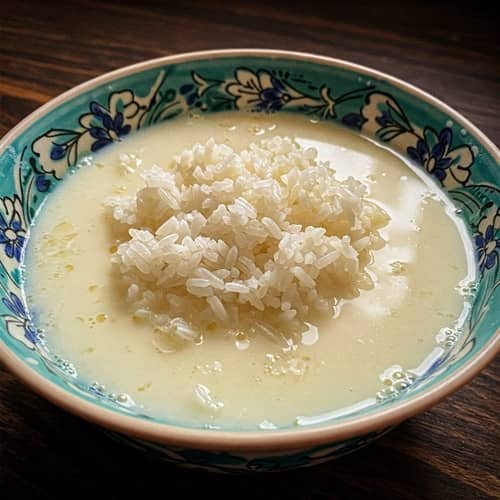
What Exactly is Rice Kanji?
Rice kanji is basically soft cooked rice mixed with extra water or rice starch water. In different parts of India, it is prepared differently. Some people ferment it overnight while others eat it fresh and warm.
It is popular because it is:
- Easy to digest
- Gentle on the stomach
- Cheap and filling
- Hydrating during hot weather
In Odisha, Kerala, Bengal, Tamil Nadu, and many rural regions, rice kanji has long been considered comfort food for both children and elders.
Fermented rice kanji is especially valued because it naturally develops beneficial bacteria during the overnight fermentation process.
Why Fermented Foods Help the Gut
Your gut contains trillions of bacteria. Some are good, some harmful. A healthy digestive system depends on maintaining balance between them.
Fermented foods help by supporting beneficial gut bacteria. Foods like curd, kanji, pickles, and fermented batters contain natural microorganisms that may support digestion and gut health.
When rice is soaked overnight:
- Natural fermentation begins
- Good bacteria multiply
- Certain nutrients become easier to absorb
That is one reason many people feel lighter and more comfortable after eating fermented rice compared to heavy oily meals.
Rice Kanji is Gentle on Digestion
Modern breakfasts are often loaded with oil, sugar, or processed ingredients. Rice kanji is the opposite. It is soft, watery, and calming.
This makes it useful when:
- Recovering from fever
- Facing acidity or stomach irritation
- Feeling weak after illness
- Experiencing poor appetite
Since it is easy to digest, the body spends less energy processing food. Many people also find it soothing during hot weather because it helps maintain hydration.
In villages, farmers traditionally ate kanji before going to work because it gave steady energy without making the stomach feel heavy.
Achar Adds More Than Just Taste
Many people think achar is only for flavor. But traditional homemade achar can also support digestion in small amounts.
Common Indian pickles often contain:
- Mustard seeds
- Fenugreek
- Turmeric
- Garlic
- Fennel
- Natural oils
These spices have long been associated with digestive benefits in traditional Indian cooking.
Some homemade pickles also undergo natural fermentation, especially without vinegar-heavy processing. Fermented pickles may contain beneficial bacteria that support gut diversity.
The spicy and tangy taste of achar also stimulates appetite. That is why even plain rice feels more enjoyable with a small piece of pickle.
The Combination Works Surprisingly Well
Rice kanji and achar balance each other nicely.
Kanji is:
- Cooling
- Soft
- Mild
Achar is:
- Tangy
- Salty
- Spicy
Together they create a satisfying meal without needing heavy curries or fried foods.
The combination may help:
- Improve digestion
- Reduce heaviness
- Support hydration
- Increase appetite
- Provide comfort during recovery
That is why many people naturally crave this meal during summer afternoons or when they feel tired and weak.
Why This Traditional Meal is Returning
Today many people are becoming interested in gut health, probiotics, and fermented foods. Ironically, Indian kitchens already had these foods long ago.
Rice kanji and achar are now gaining attention because they are:
- Affordable
- Traditional
- Minimal processed
- Easy to prepare
- Naturally gut-friendly
Unlike packaged probiotic drinks, these foods are simple everyday items with deep cultural roots.
Many nutrition experts now encourage returning to local traditional foods instead of depending only on expensive health products.
A Few Important Things to Remember
Even healthy traditional foods should be eaten properly.
Keep these points in mind:
- Use clean water for fermentation
- Avoid spoiled or foul-smelling kanji
- Eat achar in moderation because it can be high in salt and oil
- Homemade pickles are usually better than heavily processed packaged ones
People with severe digestive disorders, kidney problems, or salt restrictions should also be careful with excessive pickle intake.
Final Thoughts
Rice kanji and achar may seem like humble foods, but they carry generations of food wisdom. They are simple, comforting, and naturally supportive of digestion.
In a time when many people struggle with bloating, acidity, overeating, and processed foods, traditional meals like these remind us that good food does not always need complicated ingredients.
Sometimes the best gut-friendly meals are the ones our grandparents already knew about.